Christmas Hat Funny Design Illustrations & Graphics Review
When a new client project lands on my desk, especially one tied to a seasonal campaign or a product launch, I immediately start scanning my creative asset library for something that can set the visual tone without requiring hours of custom illustration work. Christmas Hat Funny Design Illustrations caught my attention during a recent search for a small handmade brand that needed a cheerful, playful visual direction for their holiday packaging and social media push. I wanted to see if this graphic design asset could deliver the personality and flexibility a real client project demands.
A First Look at the Visual Mood
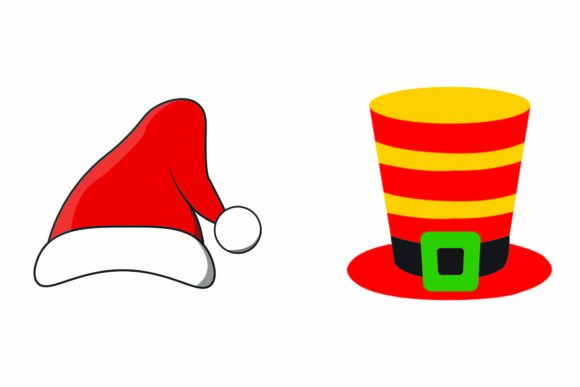
The moment I opened the files, I was struck by the relaxed, humorous energy these illustrations carry. The Christmas hats are not the stiff, overly polished vector graphics you often see in generic stock libraries. They feel more like something a talented illustrator would sketch for a boutique label or a limited-edition sticker sheet. The line work has a hand-drawn quality, and the expressions on the hat characters lean into a playful, slightly mischievous charm. This is not a design bundle that tries to be everything to everyone. It has a clear personality, and that is exactly what makes it valuable for a creative design project. The asset feels like it belongs in a modern, handmade business environment rather than a corporate holiday catalog.
How This Asset Fits a Real Client Project
I was working on a visual concept for a small business that sells artisanal hot cocoa mixes and handmade mugs. They wanted their holiday campaign to feel warm, approachable, and a little bit funny. Christmas Hat Funny Design Illustrations became the anchor for the whole visual direction. I placed one of the hat illustrations on the product label as a decorative accent, and suddenly the packaging had a voice. The playful mood of the graphics made the product feel more personal, more like something you would gift to a friend who appreciates a good laugh. For an Etsy product or a print-on-demand seller, this kind of character-driven illustration can be the difference between a listing that blends in and one that stops the scroll.
For brand identity work, I would not use this asset as a primary logo mark unless the brand itself is built around humor and illustration. But as a supporting element in a brand identity system, it works beautifully. It can appear on hang tags, insert cards, sticker sheets, and even as a repeating pattern on tissue paper. The commercial design potential here is strongest when the illustration is treated as a voice, not just a decoration.
Where Christmas Hat Funny Design Illustrations Performs Best
In my testing, this illustration set shines in several specific areas of design work. For large layout areas such as hero graphics on a website or a full-bleed poster, the 1920px by 1280px canvas size provides enough resolution to maintain crisp edges and clear details. The illustrations hold up well when scaled up for product mockups, especially on mugs, t-shirts, and tote bags. If you are creating social media graphics for a seasonal campaign, these hats can become the recurring character that ties the whole feed together. I can see them working wonderfully in Instagram posts, Pinterest pins, and even as the focal point of a digital ad.
For printable design projects, the SVG and EPS formats give you the vector flexibility you need. I tested the SVG file in a Cricut project for a friend who runs a small sticker shop, and the cut lines were clean and easy to work with. The AI file is well organized, with layers that make it simple to change colors or adjust the placement of individual elements. If you are a Canva template creator, you can import the PNG versions and layer them over background textures to create instant holiday-themed templates for your audience.
For editorial design, such as a holiday newsletter or a blog post header, these illustrations add a touch of handmade warmth that photography sometimes cannot match. They feel more intimate, more crafted. That is a valuable quality for a brand that wants to communicate authenticity and care.
Where to Use This Asset with Caution
No graphic design asset is perfect for every situation, and Christmas Hat Funny Design Illustrations has its limitations. I would not recommend using it at very small sizes, such as a favicon, a tiny logo lockup, or a detailed infographic element. The hand-drawn quality of the line work can become muddy when scaled down too far, and the humorous expressions may lose their impact if they are too small to read. For small-space applications, a simpler, more geometric illustration style would serve you better.
In crowded layouts where multiple visual elements compete for attention, these illustrations can feel overwhelming if used too liberally. They work best as a hero accent or a repeating motif rather than a background texture. On complex backgrounds with high contrast patterns or busy photography, the illustrations may struggle to stand out. I tested them on a dark, patterned background, and the contrast was not strong enough to maintain clarity. You will want to pair them with plenty of white space or a solid color backdrop to let their personality breathe.
For minimalist branding or professional corporate materials, this asset is likely too casual. If your client is a law firm, a financial institution, or a B2B software company, these illustrations would feel out of place. They belong in the world of handmade businesses, creative marketplaces, boutique product lines, and local event campaigns. Knowing when to say no to a design asset is just as important as knowing when to use it.
Readability, Hierarchy, and Brand Consistency
One of the first things I check when reviewing a new illustration set is how it affects the overall visual hierarchy of a layout. Christmas Hat Funny Design Illustrations has a strong presence, so it naturally draws the eye. That can be an advantage if you want the illustration to be the entry point into your design, but it can become a distraction if it competes with your headline or call to action. In my test layouts, I found that placing the illustration in a secondary position, such as next to the headline or at the bottom of a flyer, allowed the text to remain dominant while the illustration added emotional appeal. The key is to give the asset enough space to be seen without overwhelming the message.
For brand consistency, this asset works best when it is used as part of a themed collection. If you use it in one campaign and then switch to a completely different illustration style for the next, the brand can feel disjointed. I recommend using these illustrations as a seasonal component within a broader brand system, so they feel like a natural extension of the brand rather than a one-off experiment. The emotional appeal of the asset is strong, and it builds trust with an audience that values personality and humor in the brands they support.
Practical Designer Notes Before You Buy
Before you use Christmas Hat Funny Design Illustrations in a commercial project, there are a few practical checks I recommend running. First, test the illustrations in black and white to see if the line work holds its structure without color. If the asset relies too heavily on color to define its shapes, it may not work well for monochrome applications like newspaper ads or single-color screen printing. I tested mine in grayscale, and the illustrations remained readable, which is a good sign.
Second, check the contrast on both light and dark backgrounds. I placed the illustration on a white background, a light gray, a dark navy, and a bright red. On the light backgrounds, the asset popped beautifully. On the dark navy, I needed to adjust the stroke color to maintain visibility. On the bright red, the illustration got lost entirely. You will want to have a fallback color version ready for darker or more saturated backgrounds.
Third, preview the asset at both small and large sizes. I scaled one of the hat illustrations down to about 50 pixels wide for a social media icon, and the details became indistinct. At 200 pixels and above, the illustration retained its charm. For print projects, I recommend using the vector formats to ensure the highest quality output. The file formats included in this bundle, AI, EPS, SVG, and DXF, give you plenty of options for both digital and physical production.
Fourth, test the asset with different font styles. I paired the illustrations with a serif font, a sans serif, a script, a handwritten, and a bold display font. The best combinations were with the handwritten and the display fonts, which matched the playful energy of the illustrations. The serif and script fonts created an interesting contrast, but the sans serif felt a little too neutral. If you are designing for a handmade business or a creative marketplace, lean into the handwritten or display font pairings to maintain a cohesive mood.
Finally, confirm the commercial license before using this asset for a client or a business project. The product description does not explicitly state licensing terms, so I recommend reaching out to the seller or checking the marketplace policy to ensure you are covered for commercial use, print-on-demand, and digital products. This is a step I never skip, and it has saved me from legal headaches more than once.
Why This Asset Deserves a Place in Your Library
Christmas Hat Funny Design Illustrations is not a one-size-fits-all solution, but it is a genuinely useful graphic design asset for the right project. It brings a hand-drawn, character-driven energy that is hard to find in standard vector clipart sets. For a small business branding project, a seasonal campaign, a product launch on Etsy, or a print-on-demand collection, this bundle can save you hours of custom illustration work while still delivering a polished, personality-rich result. The file formats are professional-grade, the canvas size is generous, and the visual mood is consistent and memorable. If you work with clients who value warmth, humor, and a handmade feel, this is a creative asset worth adding to your toolkit.