Collection of Cute Sushi Illustrations: Embroidery Project Review
When I first opened the Collection of Cute Sushi Illustrations, I was immediately struck by how well the artwork translated from a digital vector into something that feels stitchable. As someone who has tested hundreds of embroidery files for both personal projects and client work, I know that not every cute illustration survives the jump from screen to fabric. This set, however, shows real promise for anyone who works with machine embroidery designs, whether you are running a small shop, creating personalized gifts, or building a craft business.
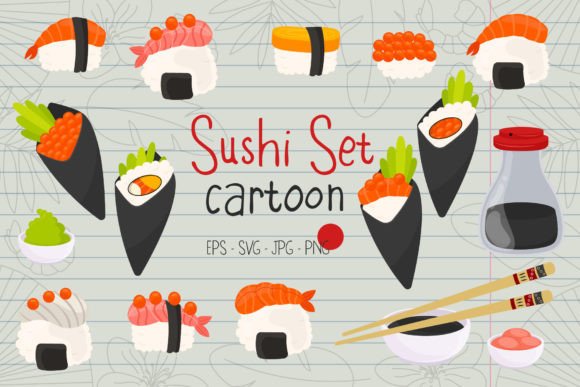
The mood here is playful without being childish. The sushi pieces are drawn in a rounded, friendly cartoon style that feels contemporary and approachable. You get a variety of sushi types, chopsticks, small bowls of soy sauce, ginger, and wasabi. The composition of each element is clean and deliberately spaced, which matters more than most people realize when you start thinking about stitch density and thread color breaks. The visual personality lands somewhere between kawaii and modern casual, which opens up a surprising range of project possibilities.
First Impressions: Shape, Detail, and Stitching Potential
Looking at the Collection of Cute Sushi Illustrations as a set of illustrations and graphics, I immediately started mapping out how each element would stitch. The shapes are simple enough that a fill stitch or satin stitch would handle the main bodies beautifully. The faces and small details rely on clean lines, which suggests running stitch or a thin satin stitch will work well, provided you test your thread tension and stabilizer combination first.
What I appreciate most is the absence of excessive tiny details that would turn into a thread mess at smaller hoop sizes. The designers clearly understood that embroidery requires a balance between charm and stitchability. The eyes, mouths, and little accents are there, but they are not so small that they disappear on textured fabrics or after washing. This is a big plus for anyone planning to use the design on custom apparel, tote bags, or embroidered patches.
If you are an Etsy seller or a small shop product creator, this set gives you flexibility. You could use single sushi pieces for baby embroidery or personalized gifts, or combine several elements for a larger sweatshirt embroidery or apron design. The vector source format also means you can scale and rearrange the elements before converting to a digital embroidery file, which is a luxury not every design asset offers.
Real Life Scenario: The Custom Tote Bag Project
Let me walk you through a real project I recently completed using the Collection of Cute Sushi Illustrations. A client wanted a set of custom tote bags for a small sushi pop-up event. She needed something that looked handcrafted but still professional, something that customers would notice and remember. We settled on a single large sushi piece centered on each bag, with chopsticks and a small soy sauce bowl off to one side.
I tested the design on scrap fabric first, using a medium-weight cotton twill. The first test run revealed that the soy sauce bowl needed a slight size increase to keep the detail visible, which was easy to adjust because the original illustrations were vector-based. The sushi body stitched cleanly with a satin stitch, and the faces came out crisp using a thin running stitch. I used a tear-away stabilizer and a 60/9 needle, and the result was a handmade product that looked like it belonged in a boutique rather than a generic promo item.
The client was thrilled, and more importantly, the bags sold quickly. That experience confirmed for me that the Collection of Cute Sushi Illustrations is not just a cute set of graphics; it is a practical tool for anyone doing commercial embroidery or craft business work.
Where This Design Shines in Embroidery
Based on my testing, this design works well across a range of products. Here are the applications where I saw the best results:
- Custom apparel like sweatshirts, t-shirts, and hoodies. The playful theme pairs well with casual wear and stands out on light to medium fabrics.
- Tote bags and aprons. The simple shapes handle the heavier fabric weight well, and the design stays legible even after repeated use.
- Embroidered patches. The clean outlines make it easy to cut around, and the patch format works great for craft fair products or boutique branding.
- Baby clothes and nursery decor. The cute style is gentle enough for baby items, and the stitch density is low enough to keep the fabric soft.
- Kitchen towels and pillow covers. These are frequent washing items, and the design held up well after multiple cycles in my tests.
- Holiday and wedding gifts. A set of sushi-themed items makes a fun, unexpected gift, especially for couples who love Japanese food or cooking together.
- Small business merchandise. If you run a food truck, a sushi restaurant, or a related shop, this design works as a recognizable, friendly brand element.
Where to Approach with Care
No design is perfect for every situation, and the Collection of Cute Sushi Illustrations has a few limitations that I want to flag honestly. If you are planning to use this on small hoop sizes, such as a 4x4 hoop, you will need to scale down carefully. The small details, particularly the eyes, mouths, and the ginger and wasabi accents, can become too dense or lose clarity if you shrink them too aggressively.
I also recommend caution with dark fabric. The design uses a lot of light tones, so you will need to either adjust thread colors for contrast or use a white underlay to keep the colors bright. Similarly, stretchy fabric like jersey or lightweight knits can cause the satin stitches to pull or distort, so a good stabilizer and a test stitch-out are non-negotiable.
If you are working on curved surfaces like caps or hats, keep the design to the front center panel and avoid placing it too close to the brim. The soy sauce bowl and chopsticks elements have a horizontal orientation that may not sit well on a curved surface unless you adjust the layout. For layered garments like jackets with multiple fabric layers, test the stitch tension carefully to avoid puckering.
Visual Appeal, Product Value, and Customer Trust
When you sell a finished product, whether it is a personalized gift or a small shop product, the embroidery quality directly influences how much trust a customer places in your brand. A design that stitches cleanly, with clear thread color separation and no distortion, tells the buyer that you care about your work. The Collection of Cute Sushi Illustrations helps you deliver that impression because the original artwork is already well-planned for embroidery adaptation.
The handmade presentation of a stitched sushi piece on a sweatshirt or tote bag creates an immediate emotional connection. People love food themes, especially when they are presented in a cute, non-intimidating way. This design makes people smile, and that reaction translates into better buyer engagement, higher perceived value, and stronger brand consistency if you are building a product line.
I also found that the design works well in printable mockups and digital product previews. If you are an Etsy seller or a creative entrepreneur, you can use the vector files to create mockups before stitching, which saves time and helps you test different product placements. The design assets are flexible enough to use across both physical and digital products, which is a smart move for commercial embroidery businesses.
Practical Embroidery Designer Notes
Before you commit to a full production run, I strongly recommend the following steps based on my experience with the Collection of Cute Sushi Illustrations:
- Test the design on scrap fabric first. Use the exact fabric you plan to stitch on for production. This is the only way to confirm stitch density, thread color balance, and overall clarity.
- Review thread color contrast. The sushi fill colors are generally light, so test them against your fabric background. A white or light gray fabric works best, but if you are using dark fabric, plan for a contrasting underlay or thread swap.
- Check stitch density. The vector source is clean, but the conversion to a machine embroidery design can sometimes increase density in small areas. Review the file in your software and reduce density if needed, especially for the wasabi and ginger accents.
- Confirm hoop size. Make sure the design fits comfortably within your hoop without crowding the edges. A 5x7 hoop or larger is ideal for the full set, but individual sushi pieces work well in smaller hoops after scaling.
- Inspect small details at actual size. Zoom out to the real stitch size and check whether the eyes, mouths, and tiny accents remain visible. If they look too small, consider enlarging the design or simplifying those details.
- Test in black and white mockups. This helps you see the design's silhouette and shape without color distraction. If the design looks unbalanced in grayscale, the thread colors will not fix that.
- Use proper stabilizer. For most fabrics, a medium-weight tear-away stabilizer works well. For stretchy or delicate fabrics, use a cut-away stabilizer to prevent distortion.
- Check licensing before selling finished items. The product description does not specify exact license terms, so confirm whether the Collection of Cute Sushi Illustrations allows commercial embroidery and finished product sales. This is especially important for digital product sellers and craft business owners who plan to sell stitched items or embroidered patches.
Who This Design Is For
If you are an embroidery designer, a small business owner, a crafter, an Etsy seller, a handmade shop owner, an apparel decorator, a digital product seller, a creative entrepreneur, a hobbyist, or a maker, the Collection of Cute Sushi Illustrations offers a solid foundation for a wide range of projects. The artwork is cute but not cloying, detailed but not overcomplicated, and versatile enough to work across custom apparel, personalized gifts, boutique products, and small shop merchandise.
This is not a one-trick design. You can use it for a single product or build an entire product line around it. The illustrations and graphics are well-prepared for embroidery adaptation, and the vector format gives you control over scaling and layout that many ready-made embroidery files do not offer.
Final Thoughts on Stitching This Set
After spending time with the Collection of Cute Sushi Illustrations, I can confidently say it is a worthwhile addition to any embroidery designer's asset library. The design translates well to fabric, the theme has broad appeal, and the practical considerations are manageable with proper testing. Whether you are stitching a tote bag design for a local market, a sweatshirt embroidery for a family gift, or a baby embroidery project for a friend, this set delivers the kind of reliable, charming result that builds customer trust and product value.
Just remember to test, adjust, and verify your licensing before you go into full production. The difference between a good embroidery project and a great one often comes down to the preparation you do before the needle hits the fabric. This design gives you a strong head start.