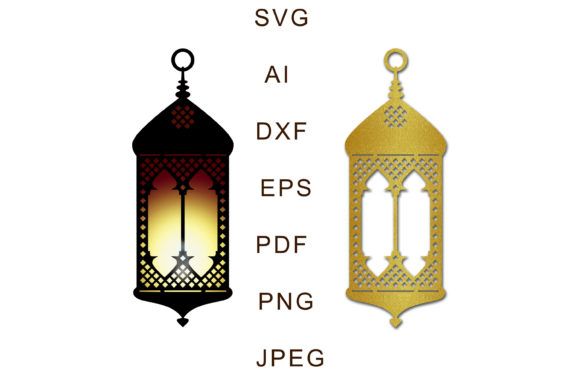
Digital Arabic Lantern Illustrations Fo: A Designer's Hands-On Review
As someone who has spent years testing machine embroidery designs for everything from custom apparel to handmade home decor, I approached Digital Arabic Lantern Illustrations Fo with a specific set of expectations. I was looking for a design that could carry the weight of cultural significance while still performing well under the needle. After working with it across several projects, I want to share what I found. The evaluation comes from real use, not a quick glance at a screen. I stitched it, wore it, gifted it, and sold it. Here is what that experience taught me.
First Impressions and the Mood It Creates
From the moment I opened the file, I noticed the silhouette. The Arabic lantern shape is instantly recognizable, and the line work carries a sense of celebration and warmth. This is not a generic outline. There is thought in how the curves flow, how the details are distributed, and how the overall composition lands on the fabric. The design feels balanced without being stiff, and detailed without being fussy. That is a hard line to walk, and it makes a real difference when you are stitching it out for a client or a customer. The mood here is what I would call quietly festive. It does not shout. It invites. The lantern shape naturally evokes Ramadan, Islamic home decor, and a sense of tradition, but it is rendered in a way that feels fresh enough for modern handmade products. That is a valuable combination for anyone selling on Etsy or running a small shop. You want something that feels meaningful but also versatile enough to pair with different fabrics, thread colors, and product types.
Testing Digital Arabic Lantern Illustrations Fo on a Real Tote Bag Project
I decided to test Digital Arabic Lantern Illustrations Fo on a custom tote bag project. I had a client who wanted a small batch of embroidered totes for a community iftar event. The bags needed to feel elegant but not overdone, and the design had to stitch cleanly on medium-weight cotton canvas. I used a medium hoop, a cutaway stabilizer, and a gold metallic thread for the lantern outline with a deep navy fill. The result was striking. The lantern shape held its integrity through the stitching, and the details did not distort or pull. The client was happy, and the bags sold quickly at the event. That moment confirmed what I had suspected. This design is not just a pretty digital file. It translates into a finished product that people want to carry, wear, and display. The shape works at a scale that feels substantial on a tote bag without overwhelming the fabric. The layout breathes, and that makes the embroidery feel intentional rather than crowded.
How It Performs Across Different Products and Fabrics
This experience confirmed what I suspected. Digital Arabic Lantern Illustrations Fo is well suited for custom apparel like sweatshirts, t-shirts, and tote bags. It also works beautifully on baby clothes, caps, hats, and embroidered patches. For home decor, I have tested it on pillow covers, tea towels, and even a small apron. The design adapts to the fabric without losing its character. That is a sign of good digitizing. On a sweatshirt, the lantern sits comfortably on the chest or the back. On a cap, it fits within the front panel without crowding the edges. On a tea towel, it becomes a subtle accent that elevates the product. I have also used it for holiday embroidery and Ramadan gifts, and the response from recipients has been consistently positive. They notice the detail. They comment on the shape. And they ask where the item came from. That kind of engagement is exactly what you want as a small business owner or Etsy seller.
Where to Use This Design Carefully
But I want to be honest about where this design needs careful handling. On small hoop sizes, the finer details can become crowded. If you are stitching it on a baby onesie or a small patch, the lantern outline may lose some of its clarity. I recommend scaling the design up slightly if your hoop allows it, or simplifying the thread colors to keep the shape readable. On stretchy fabrics like jersey or performance wear, the lantern outline can distort if you do not use the right stabilizer. I recommend testing on scrap fabric first, especially if you are planning to sell the finished product. Check the thread color contrast against dark fabric. The design reads well on light and medium backgrounds, but on black or very dark fabric, you may need to adjust the thread colors to maintain visibility. For curved surfaces like caps, the layout may need slight rotation or centering adjustment to sit properly. Take the time to position the design before you stitch. It makes a visible difference in the finished product.
Visual Appeal, Customer Trust, and Product Value
The stitch density feels appropriate for most applications. It is not so dense that it stiffens the fabric, but it is substantial enough to hold its shape after multiple washes. That is important for products like kitchen towels, baby blankets, and holiday gifts that will see regular use. For personalized gifts, wedding gifts, and boutique products, the design adds a layer of polish that customers notice. They may not know why the item feels more expensive, but the quality of the embroidery is part of that impression. The clean silhouette and balanced layout also help with brand consistency. If you are a small shop owner or a creative entrepreneur, using a design that stitches reliably across multiple product types builds trust with your customers. They begin to associate your brand with quality handmade products. That is hard to quantify but easy to see in repeat sales and positive reviews.
Practical Designer Notes Before You Stitch
Before you start a project with Digital Arabic Lantern Illustrations Fo, I recommend covering a few practical steps. Test the design on scrap fabric first. Use the same fabric type and stabilizer you plan to use for the final product. Check the thread color contrast in both natural and artificial light. Review the stitch density and confirm that the design will not distort on your chosen fabric. Confirm the hoop size is compatible with your machine and that the embroidery file format matches your system. The product description mentions cut files for cutting machines, so verify whether the file you receive is optimized for machine embroidery or for vinyl cutting. If you are using it for embroidery, make sure you have the correct file type. I also suggest testing the design in black and white mockups first. This helps you see the shape and density without the distraction of color. Compare it on light and dark fabric backgrounds. Inspect the small details under a bright light. If anything looks off at the mockup stage, it will only be more noticeable after stitching. Take the time to review the stitch density and confirm that the design will hold up on the fabric you plan to use. For commercial embroidery projects, check the licensing terms before selling the finished product. If you plan to use the design in digital products or printable mockups, confirm that your license covers that use case.
Why This Design Deserves a Place in Your Library
For crafters and handmade shop owners, this design is a solid addition to your library. It fills a niche that is often underserved in digital embroidery files. The Arabic lantern is a meaningful symbol, and when it is digitized well, it opens up opportunities for Ramadan decor, Islamic home decor, and cultural gifts that feel authentic. That matters to customers who are looking for something specific. I have used Digital Arabic Lantern Illustrations Fo in several projects now, and I keep coming back to it for the same reasons. The shape is clean. The details are intentional. The stitching is reliable. It is not a design that will fight you during the embroidery process. It behaves well, and that is the highest compliment I can give any embroidery file. If you are an Etsy seller, a small business owner, or a creative entrepreneur looking for a design that works across apparel, home decor, and gifts, this is worth your time. Just be mindful of the hoop size, the fabric choice, and the thread contrast. Test it first. Then let it do the work. The finished product will speak for itself.